
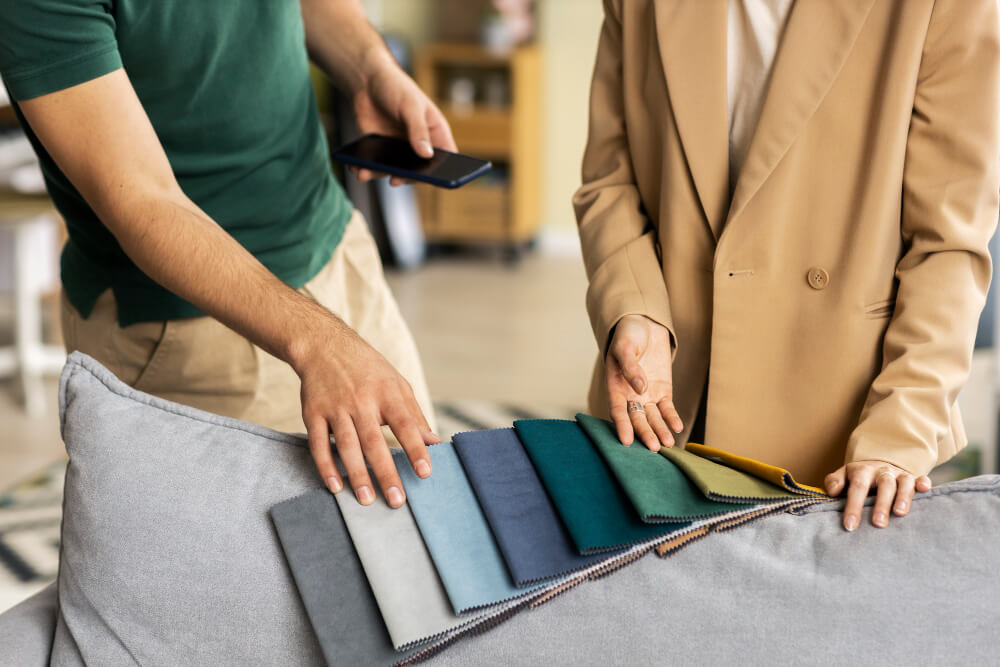
Fabric sofas add comfort and style to homes and offices, but they can easily collect stains from food, drinks, dust, and everyday use. While fresh spills may seem easy to remove, stubborn stains can penetrate deep into the upholstery fibres and become difficult to treat without the right techniques. Professional sofa cleaning Dubai services help remove embedded dirt, tackle persistent stains, and refresh fabric without causing unnecessary damage. Understanding the correct cleaning methods is essential, as different fabrics and stains require different treatments.
Quick Answer:
Blot the stain with a clean cloth, identify the fabric type, and use a suitable upholstery cleaner after testing it on a hidden area. Avoid rubbing the stain, applying excessive water, or using harsh chemicals. For old, deep, or persistent stains, professional upholstery cleaning is the safer option.
Why Is It Important to Clean Fabric Sofa Stains Properly?
Over time, spills and dust build up in fabric upholstery, as well as body oils, pet hair, etc. Fabric upholstery traps spills, collects dust, body oils, pet hair, and other residues over time. If stains are not cleaned, they will be more difficult to remove and could impact the look and cleanliness of the sofa. Cleaning techniques can also cause the stain to spread or create watermarked stains, or cause damage to delicate fibres.
It’s especially beneficial to hire professionals when it comes to large sofas, delicate fabrics or expensive furniture, for instance. Experts know how to test the materials used in upholstery, what to use for cleaning and how to use special equipment to extract dirt. Professional cleaning also ensures that the homes, offices, reception areas and other commercial spaces are comfortable to be in.
Step-by-Step Guide to Removing Stubborn Sofa Stains
- Identify the Fabric and Stain Type
Always consult the sofa care label before using any kind of cleaning solution. Upholstery labels can inform the consumer that the fabric can be cleaned with water-based products, solvent-based cleaners or only by professional cleaners. Always use the manufacturer’s instructions to prevent colour loss, shrinkage or damage.
Then, determine the stain. Coffee, tea, and juice stains will call for different methods to clean up as will grease, ink, or pet stains. If you know what caused the stain, you’ll be able to use a cleaner that is suitable instead of trying to use the wrong cleaner.
- Remove Loose Dirt and Debris
Vacuum the affected area prior to cleaning. For loose dust, crumbs, pet hair and other dirt, use an upholstery attachment to get rid of the dirt from the cloth and between the cushions.
This step will ensure that dirt will not be mixed with the moisture and spread throughout the upholstery upon treatment. When the sofa is made of detachable cushions, wipe around the edges and under the cushions to get rid of dust and dirt that may build up in these areas.
- Blot Fresh Spills Immediately
Use a clean absorbent white cloth or paper towel to absorb as much spill liquid as possible for fresh spills. Apply pressure from outside to the centre of the affected area to prevent spreading of stain.
Don’t rub or scrub too hard since it may set the stain deeper into the fibers and harm the texture of the fabric. Blot until excess liquid has been absorbed with a clean portion of the cloth and repeat.
- Apply a Suitable Upholstery Cleaner
Select a cleaner that is appropriate for the fabric on your sofa and the kind of stain. Dampen with a small amount as indicated in the product directions and mist with a clean cloth, not directly on the upholstery.
Always test on a concealed area first, and let the product dry, checking for colour change or other reactions. If the test area is not affected, lightly work on stain with recommended technique. Wipe away any cleaning residue following, as specified, and let the fabric air dry.
- Treat Old and Set-In Stains Carefully
Older stains may be harder to remove as there is a possibility that the residue has adhered to the fibres or moved into the cushion’s filling. Use of a suitable upholstery cleaner may help release the residue but repeated scrubbing or too much moisture can make the problem worse.
Do not mix various cleaning supplies or try home remedies on sensitive upholstery. When there is a stubborn or persistent stain, it is usually better to have the stain professionally treated than to try to scrub it yourself.
- Allow the Sofa to Dry Thoroughly
Once it has been cleaned, make sure it is thoroughly dry before using it again. Open windows if possible, increase the air circulation and use a fan if needed. Do not sit on damp cushions, as this could transfer moisture and residue to other places.
In humid environments, it is especially important to make sure that everything is thoroughly dried, and that it may take longer for upholstery to dry. The extra moisture that becomes trapped within the cushion can help contribute to undesirable odours and other hygiene issues.
How to Remove Different Types of Sofa Stains
Different stains respond to different treatments. The following table provides general guidance, but the sofa’s care label and the manufacturer’s recommendations should always take priority.
Stain type | Recommended approach | What to avoid |
Coffee and tea | Blot immediately and use a suitable upholstery cleaner | Rubbing the stain or using excessive water |
Food and sauce | Remove solid residue gently, then spot-clean with an appropriate product | Scraping aggressively or spreading the residue |
Grease and oil | Blot excess oil and use a fabric-compatible cleaner intended for oily stains | Pouring water directly onto the area |
Ink | Seek advice on a compatible solvent or professional treatment | Using alcohol or strong solvents without testing |
Pet urine | Absorb moisture promptly and use a fabric-compatible pet stain treatment | Masking the smell with fragrance or soaking the cushion |
Blood | Use a suitable cold-water-compatible treatment if permitted by the fabric label | Hot water, which can set protein-based stains |
Old, unknown stains | Arrange an upholstery assessment before attempting stronger treatments | Repeated scrubbing or mixing cleaning chemicals |
Important: No single cleaning method works for every stain or fabric. If a stain has been present for a long time, has spread into the cushion, or affects delicate upholstery, professional assessment can reduce the risk of permanent damage.
Common Mistakes to Avoid When Cleaning Fabric Sofas
Even well-intentioned cleaning efforts can damage upholstery when the wrong techniques are used. Avoid these common mistakes to protect your furniture.
- Scrubbing too hard: Aggressive rubbing can damage fibres, spread stains, and leave visible marks.
- Using too much water: Excess moisture can penetrate the cushion filling and prolong drying.
- Applying household chemicals indiscriminately: Bleach, strong detergents, and unsuitable solvents may discolour or weaken upholstery.
- Skipping the patch test: A product that works on one fabric may damage another.
- Mixing cleaning products: Combining chemicals can create hazardous reactions and damage the sofa.
- Ignoring the care label: Some fabrics require solvent-based treatment or specialist cleaning rather than water.
- Using the sofa before it dries: Damp upholstery can collect dirt more readily and may develop unpleasant odours.
Key Takeaway: Always identify the fabric, test the cleaning product, and blot instead of rubbing. If the stain persists after one careful attempt, avoid escalating to stronger chemicals or repeated scrubbing.
When Should You Hire Professional Sofa Cleaners?
DIY cleaning is useful for minor spills and surface marks, but professional cleaning is recommended in the following situations:
- Deep or stubborn stains: When stains have penetrated deep into the upholstery and are difficult to remove with ordinary cleaning methods.
- Persistent odours: When unpleasant smells remain after cleaning, especially from food spills or pet accidents.
- Delicate fabrics: When the sofa material requires specialised cleaning techniques to prevent damage or colour fading.
- Homes with children or pets: Regular professional cleaning helps manage the buildup of everyday dirt and stains.
- Commercial spaces: Hotels, offices, clinics, and reception areas benefit from scheduled upholstery cleaning to maintain a neat and welcoming appearance.
Professional cleaners inspect the upholstery, determine appropriate cleaning techniques, and employ specialised equipment to eliminate dirt and cleaning chemicals, and to prevent moisture from getting into the upholstery.
In the comparison of sofa cleaning services in Dubai, make sure to choose the one that confirms the compatibility of the fabric, describes the various steps in the cleaning process, provides the clear pricing, and explains drying time and limitations in removing stains.
How to Maintain a Fabric Sofa After Cleaning
Keeping a sofa clean between professional appointments helps prevent stains from becoming difficult to remove.
- Vacuum the upholstery regularly, paying attention to seams and cushion gaps.
- Blot spills as soon as they occur instead of allowing them to dry.
- Rotate and rearrange cushions where the design permits to encourage even wear.
- Keep food and drinks away from delicate upholstery whenever possible.
- Follow the manufacturer’s care instructions for routine maintenance.
- Arrange professional cleaning when dirt builds up or ordinary spot-cleaning is no longer effective.
For commercial environments, a regular cleaning schedule can help maintain furniture used by employees, customers, and visitors throughout the day.
FAQ
Depending on the stain, the material and the depth of the stain, many old stains can be reduced or removed. But certain stains will leave a permanent discolouration or damage to the fibres and cannot be cleaned. An expert evaluation will guide in choosing the best treatment.
No. Baking soda can sometimes be used for odour and surface moisture but for some upholstery fabrics and stains, it may not be an appropriate remedy. Also, be aware that fine powder can sometimes become lodged in textured fabric; if the label says so, do a test run before attempting to treat it.
The frequency of cleaning is based on the use, housekeeping, pet-keeping and the manufacturer’s recommendation. Furniture that is used in a home where there is a lot of activity may require more maintenance than furniture used in a home in which the object is used occasionally. Deep cleaning could be required less often if routine vacuuming is done and stains are treated promptly.
The length of drying time depends on the method used for cleaning the fabric, thickness of fabric, type of cushion, ventilation and humidity. Some upholstery gets dry in a couple hours, thicker upholstery may take more time. When using a sofa, make sure it is dry.
Conclusion
Stains that have set into the fabric of your sofa can be difficult to remove, and it will take the right cleaners, the right technique and knowledge of the upholstery fabric to remove these stains. Wipe up spills immediately, test cleaners once a spill has been cleaned up, limit moisture and vacuum often to maintain your furnishings. But stubborn stains, fragile textiles and strong odours frequently need special treatment. When you select experienced Sofa cleaning experts in Dubai, you can not only enhance the cleanliness of your sofa but also safeguard the upholstery while cleaning.
For reliable care at home or in a commercial setting, Urgent In Cleaning offers a professional solution for sofa cleaning Dubai, helping you maintain cleaner, fresher, and more comfortable furniture. Visit Urgent In Cleaning’s sofa deep cleaning service to learn more about available services.