
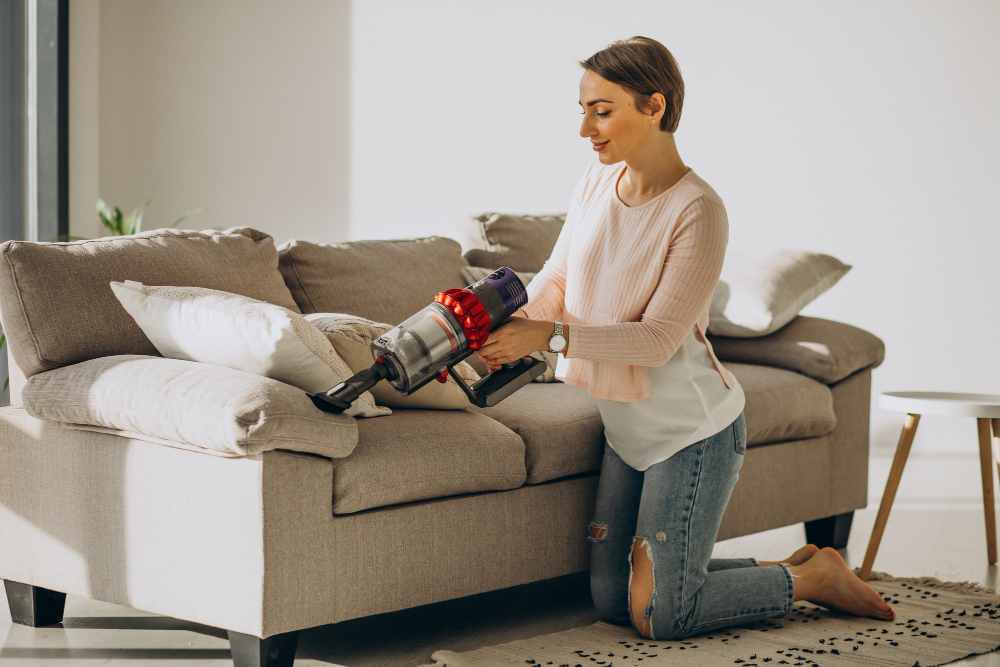
A sofa is used every day, making it easy for dust, sweat, body oils, food particles, pet hair and moisture to build up inside the upholstery. Over time, these contaminants can create unpleasant or musty odours that regular dusting and vacuuming may not completely remove. Professional sofa shampooing in sharjah offers a deeper cleaning solution by treating accumulated dirt, stains and odour-causing residue within the fabric.
Quick Answer
Bad sofa odours usually develop because upholstery absorbs sweat, body oils, food and drink spills, pet dander, dust and moisture. These contaminants can become trapped deep within the fabric and cushions, making them difficult to remove through ordinary vacuuming. Humidity can also contribute to musty smells when moisture remains inside the upholstery. Deep sofa shampooing helps loosen embedded dirt and residue before extracting them from the fabric. Regular vacuuming, quick treatment of spills, good ventilation and periodic professional cleaning can help keep sofas fresh and reduce the buildup responsible for unpleasant odours.
Sweat and Body Oils
Daily use causes sofas to absorb perspiration and natural body oils. These can build up around the seats, armrests and backrests that are used regularly.
The accumulation can cause an unpleasant odor over time, especially in combination with dust and other particles. Bedding and upholstery deep cleaning can also help to remove residues that regular surface cleaning cannot.
Food and Drink Spills
Upholstery is easy to reach by foods, sauces, juices, coffee and tea. However, if a spill is cleaned up quickly, some liquid can still work its way deeper into the fabric or cushion.
Any residue that is left in can cause long lasting odours. Keeping spills clean up right away and professional cleaning services if needed can help avert the situation.
Pet Hair and Dander
Hair, dander, outside dirt and skin oils can be spread on sofas by pets. These particles have the ability to get stuck between the fibres in upholstery and can cause odors.
Loose pet hair can be taken out with regular vacuuming, but residue that has become embedded in the fabric can be taken care of through deep cleaning.
Humidity and Trapped Moisture
Humidity can make upholstery odours more noticeable. Moisture from spills, perspiration or previous cleaning attempts may remain inside cushions if the sofa is not dried properly.
This can result in a musty smell. Proper extraction and adequate drying are therefore important parts of effective sofa cleaning.
Key Takeaway: A sofa can appear clean on the outside while still containing odour-causing dirt and moisture beneath the surface.
Why Vacuuming Alone Isn’t Enough
Vacuuming is useful for removing loose dust, crumbs and hair, but it cannot always remove oily residue, stains or contaminants that have penetrated the upholstery.
Cleaning Method | Mainly Helps With | Best Use |
|---|---|---|
Vacuuming | Dust, crumbs and loose hair | Regular maintenance |
Spot cleaning | Small fresh stains | Immediate spill treatment |
Shampoo cleaning | Embedded dirt and stains | Periodic deep cleaning |
Extraction cleaning | Dirt and excess moisture | Deeper upholstery cleaning |
For persistent sofa odours, a deeper cleaning process can address contaminants that remain below the surface.
How Does Sofa Shampooing Help?
The process of sofa shampooing normally consists of a number of steps that are intended to thoroughly clean upholstery. Each step resolves various kinds of dirt, stains, residue and moisture stuck inside the fabric.

Inspection
The fabric of the sofa is thoroughly inspected to determine the substance, the condition and degree of soiling. This will assist in identifying the best product and technique to use for cleaning the upholstery.
Vacuuming
All surface debris, such as loose dust, crumbs, pet hair, etc. are first removed before the wet cleaning process begins. This will help prepare the upholstery for a thorough cleaning and avoid the mixing of loose dirt with the upholstery cleaner.
Shampoo Application
An appropriate upholstery cleaning solution is used to loosen up the accumulated dirt, body oils, stains and other residue. Cleaning product is chosen based on fabric and cleaning needs of the sofa.
Agitation
The cleaning solution is softly worked into the fabric to aid the release of dirt that is stuck in the fibres. A well-designed agitation reduces the clinging of difficult residue, while avoiding the unnecessary destruction of the material.
Extraction
Appropriate equipment is used to remove the loosened dirt, cleaning solution and excess moisture from the upholstery. This is because it can get rid of the debris from the bottom of the sofa, not just its top layers.
Drying
The sofa is allowed to dry properly after the cleaning and extraction process. Good drying will avoid any residual moisture, musty odors and discomfort when using the sofa again.
Professional Cleaning vs DIY Cleaning
While DIY cleaning can be sufficient for small spills, cleaning the whole sofa without the proper gear can cause issues. Too much water can extend the drying process and improper cleaners can leave film or damage sensitive fabrics.
Using sofa shampoo cleaning services Sharjah can provide access to professional equipment and cleaning techniques suited to upholstered furniture.
Professional cleaning can be especially beneficial if sofas are smelly, there are several stains, they are used every day, pets have made a mess or other buildup.
When Should You Deep Clean Your Sofa?
Consider professional sofa cleaning when:
- Your sofa has a persistent unpleasant smell.
- Visible stains remain after routine cleaning.
- The upholstery looks dull or heavily soiled.
- Pets regularly use the furniture.
- Food and drinks are frequently consumed on the sofa.
- The sofa has not been deep cleaned for a long time.
- The fabric feels greasy or noticeably dirty.
The required cleaning frequency depends on usage, household conditions and the type of upholstery.
How to Prevent Sofa Odours
Good maintenance can reduce odour buildup between professional cleaning sessions.
- Vacuum regularly: Clean cushions, seams and corners where dust accumulates.
- Treat spills quickly: Blot liquids instead of rubbing them deeper into the fabric.
- Maintain airflow: Good ventilation helps reduce moisture buildup.
- Avoid excessive water: Over-wetting upholstery can increase drying problems.
- Groom pets regularly: This can reduce hair and dander transferred onto furniture.
- Clean cushions where possible: Follow the manufacturer’s care instructions.
When searching for a “professional sofa shampooing near me”, see if they use the proper upholstery products and extraction equipment for the type of upholstery that your sofa has.
Why Choose Professional Sofa Cleaning?
Sofas can be a significant investment in both homes and offices. Regular professional cleaning can help keep them looking fresh and clean, and eliminate dirt and residue that can cause odours that may not be cleaned by regular cleaning.
The professional cleaner will be able to examine the upholstery and decide upon the best cleaning method to use depending on the type of upholstery and how soiled it is.
Sofa shampooing home service in Sharjah can also help with cleaning sofa upholstery at the premises, making the cleaning process more convenient.
Remember: Effective sofa cleaning is not simply about making upholstery smell fresh. Removing the dirt, oils, stains and moisture contributing to the odour is the key to maintaining fresher furniture.